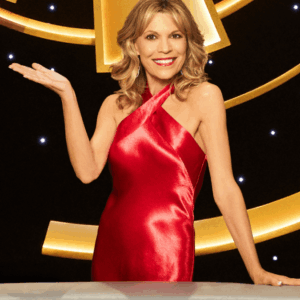
Jennifer Aniston Dragged for Supporting Drew Barrymore After Liking ‘Scabbing’ Post About Resuming Talk Show

In recent weeks, Jennifer Aniston has found herself at the center of controversy after she publicly expressed her support for Drew Barrymore’s decision to resume her talk show amidst an ongoing writers’ strike. This action sparked criticism from fans and members of the Writers Guild of America (WGA), who perceived it as a breach of the solidarity principles central to the strike. The backlash intensified when Aniston liked Barrymore’s Instagram post announcing the return of “The Drew Barrymore Show,” which further fueled discussions on social media platforms.

The Background of the Writers’ Strike

The WGA strike, which began with the aim of securing fairer contracts and working conditions for writers, has captured the attention of the entertainment industry and the general public alike. Writers vocally demonstrated their concerns about compensation, job security, and the rapid evolution of streaming services, which have altered traditional revenue models. Strikes of this nature emphasize the importance of collective bargaining and the necessity for writers to uphold their rights within Hollywood.
Initially, Drew Barrymore chose to step back from various hosting duties, including the MTV Movie & TV Awards, to show solidarity with striking writers. This decision was widely commended at the time, as it demonstrated Barrymore’s commitment to the cause. However, as the strike continued and the pressures of the entertainment industry mounted, Barrymore announced her intention to bring her talk show back, asserting that it was essential to offer companionship and clarity to her audience during such turbulent times. Her reasoning caught many off guard, especially in light of the strike’s ongoing ramifications.
Details of the Controversy

In her Instagram post, Drew Barrymore clarified that her show had already concluded its season before the strike’s commencement and emphasized her intent to adhere to union guidelines. Despite her claims, the WGA issued a statement asserting that Barrymore’s show would be considered a violation of the strike rules since it lacked writer participation. They highlighted the risks of undermining the efforts of writers fighting for equitable working conditions.

Social media erupted in reaction to Jennifer Aniston’s decision to like Barrymore’s post. Critics lambasted Aniston for her perceived inconsistency, accusing her of exhibiting a lack of concern for the striking writers. Many pointed out that liking such a post signals a disregard for the ongoing efforts of those fighting for fair treatment in the industry. Throughout this time, several celebrities who initially supported the strike appeared to withdraw their endorsements by unliking the post, although Aniston and a few others maintained their support for Barrymore’s decision.
Reactions from the Entertainment Industry
This incident revealed the complex dynamics within Hollywood during union strikes, as individual ambitions sometimes clash with collective action goals. Many commenters expressed disappointment not just in Aniston but in the broader implications of returning to production without writers. The backlash illuminates the struggle between personal career trajectories and collective solidarity.
In light of the controversy, Cristina Kinon, the co-head writer of “The Drew Barrymore Show,” publicly voiced her disappointment regarding the decision to resume filming without the necessary writers’ involvement. Her statements reinforced the WGA’s position, highlighting the crucial factor that writers play in the production process and the essential need to respect the strike’s principles.
Conclusion

The recent events surrounding Jennifer Aniston and Drew Barrymore signify a broader tension within the entertainment industry, raising questions about loyalty, support, and the moral dilemmas faced by individuals in positions of power. As this situation continues to evolve, it serves as a poignant reminder of the stakes at play in Hollywood. If you want to stay updated on this evolving story and its potential implications for the industry, be sure to follow our latest articles. Your voice matters—engage with us in the comments below!