Fox News Anchor Appears to Use Antigay Slur in Rant About Pete Buttigieg

In a recent segment on Fox News, anchor Rachel Campos-Duffy sparked outrage after seemingly using an antigay slur during her commentary on Pete Buttigieg, the former Transportation Secretary. This incident occurred while she critiqued Buttigieg’s portrayal of masculinity, leading viewers to question her intentions and the implications of her remarks. Campos-Duffy’s comments included the phrase “He’s pretending not to be a beta,” which many interpreted as an attempt to undermine Buttigieg’s masculinity and authenticity. The situation escalated when she mistakenly uttered a phrase that closely resembled a derogatory term before quickly correcting herself to “wagger.”

This controversial moment was part of a broader discussion that also featured Fox News contributor Raymond Arroyo, who joined in mocking Buttigieg’s attempts to appeal to a younger male voter base. The reactions on social media were swift, with many accusing Campos-Duffy of revealing her own biases through what they considered a Freudian slip. Critics highlighted the dangers of perpetuating transphobic stereotypes, especially in a media landscape where such narratives can have significant repercussions.
Backlash and Social Media Reaction
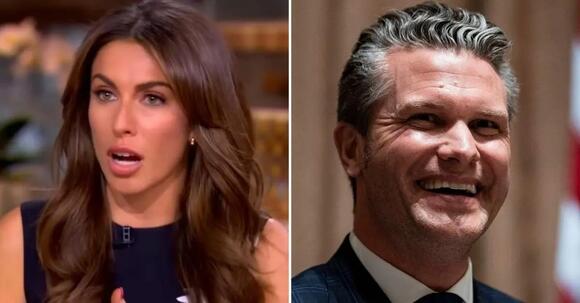
The backlash against Campos-Duffy’s comments on social media was intense. Viewers and advocacy groups took to platforms like Twitter to condemn the remarks. Many pointed out the insidious nature of using language that belittles or dehumanizes individuals within the LGBTQ+ community. This incident is particularly concerning to advocates for LGBTQ+ rights, who argue that rhetoric like this contributes to harmful stereotypes and affects public perception of gay identity.

The concept of “beta” masculinity, as mentioned by Campos-Duffy, reflects a broader societal debate about masculinity and the pressures placed on men to conform to traditional gender roles. Critics of her commentary suggest that her words reinforce negative stereotypes around masculinity, particularly in the context of queer identities. The fact that Buttigieg, an openly gay politician, can evoke such strong reactions from right-wing media illustrates the ongoing cultural tension surrounding LGBTQ+ representation in politics.
Implications for LGBTQ+ Visibility in Media

The fallout from this segment highlights a troubling trend in how LGBTQ+ individuals are portrayed in mainstream media. The use of antigay slurs, even if unintended, can contribute to a culture where discrimination and bigotry are normalized. Commentators have pointed out that such rhetoric undermines the hard-fought progress made toward acceptance and inclusivity, particularly in political spaces. When figures like Campos-Duffy engage in this type of discourse, it sends a message that being critical of LGBTQ+ identities is acceptable.

Supporters of Buttigieg argue that the backlash from right-wing media often signifies his influence and the resonance of his progressive messages. They claim that such targeted attacks actually highlight Buttigieg’s effectiveness in communicating his values and connecting with a broad base of supporters. By attacking him, detractors may inadvertently strengthen his position, exposing their own insecurities and biases in the process.
The Continued Fight for Equality and Respect

In light of this incident, various LGBTQ+ organizations have stepped up their advocacy efforts, calling attention to the damaging effects of hate speech in the media. They assert that the portrayal of queer individuals not only shapes public opinion but also affects the lives of those within the community. The comments made during the Fox News segment underscore a larger cultural battle over the representation of LGBTQ+ voices and the ongoing struggle for equality and respect.
As discussions about masculinity and gender identity continue to evolve, it is crucial for media figures to recognize the power of their words. The responsibility lies in how discussions are framed within the public sphere, as careless remarks can perpetuate harmful stereotypes and negatively impact societal perceptions of LGBTQ+ individuals. Advocates stress the importance of fostering pride, visibility, and positive representation within the media to combat prejudice and promote understanding.
Conclusion

The recent remarks made by Rachel Campos-Duffy serve as a reminder of the ongoing challenges faced by the LGBTQ+ community in media discourse. These conversations are essential as they reveal not only biases but also the need for a continued push toward inclusivity and respect. Join the conversation and support LGBTQ+ rights to foster a more equitable society for all.